Would you be suprised if I told you that the Easter Hare has also been connected to Christmas?
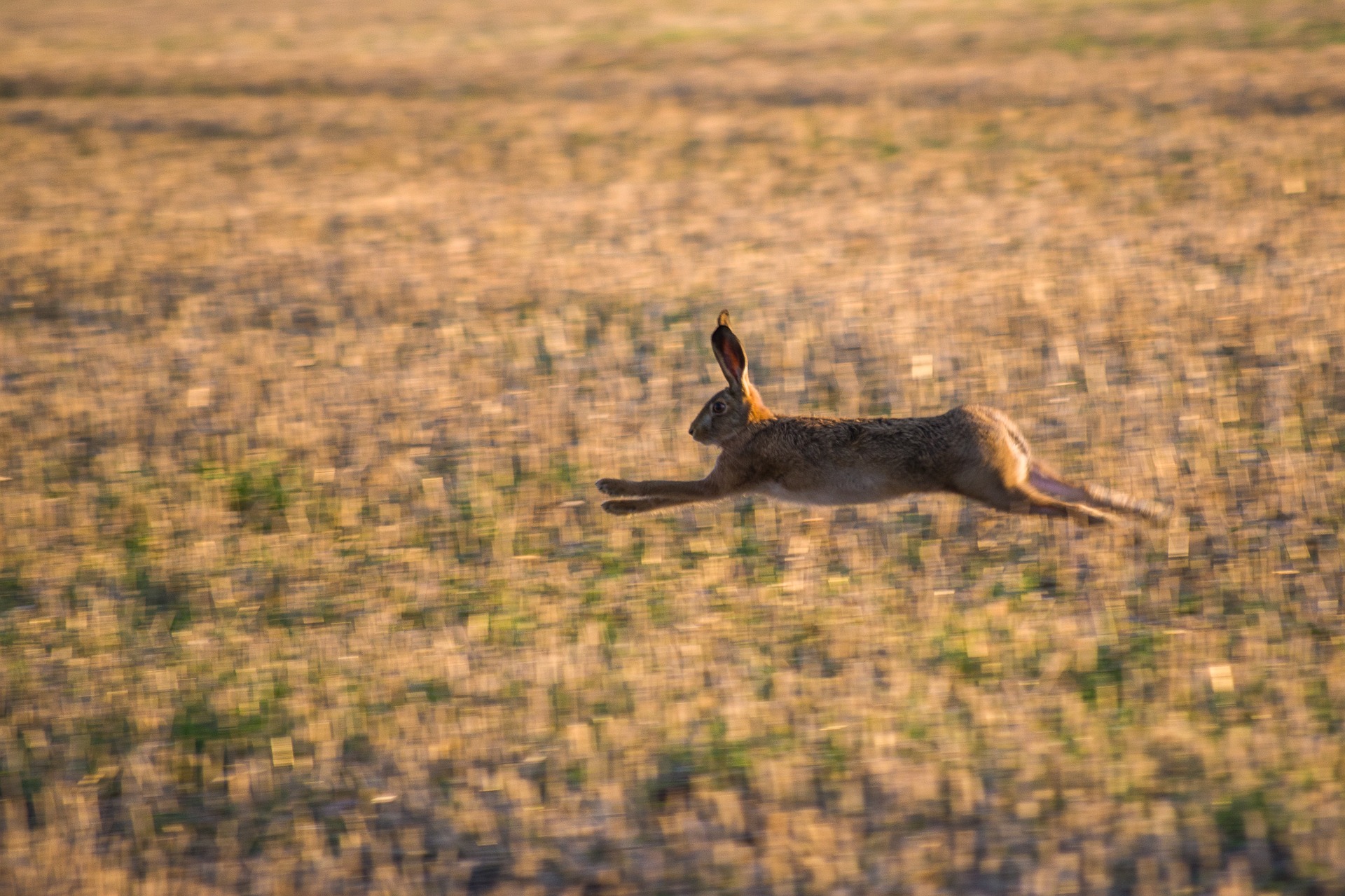
An animal that has survived so many years (as Philippa Hadlow describes in The Tale of the Hare: ‘its earliest ancestor lived 55 million years ago in Mongolia!‘) you’d think it might not be that surprising?
But of course a hare has no idea about myths and religion, so how did this notion come about?
Turns out that early Christians were in awe of the hare’s ability to breed at speed, thinking it was able to conceive without copulation; therefore it must be a miracle? Thus, the first connection with Christendom was made.
The hare is associated with Easter for its fertility and rebirth, as well as the German goddess Ēostre. According to the Venerable Bede (a monk in pre-Christian England in the 8th century), the month of April was named after Ēostre, said to have taken the shape of a hare at Full Moons.
Much later, in the 1600s, the Easter Hare became a folkloric personality who assessed children’s behaviour, rewarding them in a similar manner to Santa Claus.
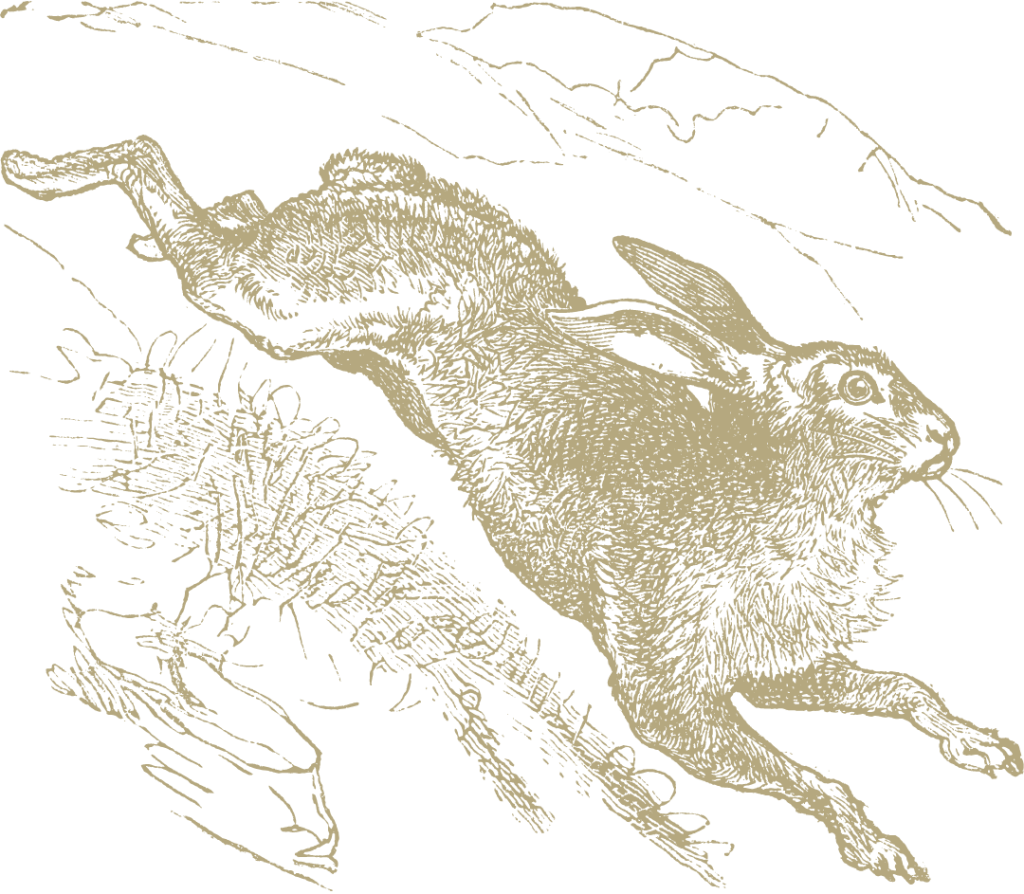
Get your own copy including the full story of The Tale of the Hare in Food Views from around the world.
You can also catch a little snippet on my Instagram account!
 BiograView